

While everyone else is fighting crowds at Europe’s usual hotspots, a select group of villages worldwide is quietly showing what travel should really be about: authentic experiences, stunning landscapes, and communities that actually want you there.
The United Nations’ list of Best Tourism Villages reads like a dream itinerary for travelers tired of Instagram’s greatest hits. These 52 destinations across 29 countries aren’t trying to be the next Santorini or Tuscany. They’re something better—places where tourism enhances rather than overwhelms local life.

Take Koyasan, Japan, a 1,200-year-old Buddhist settlement in the mountains where you can stay overnight in temple lodgings and wake to the sound of morning prayers. Or Chamarel in Mauritius, home to the otherworldly “seven-colored earth”—sand dunes that ripple in shades of red, brown, violet, and blue thanks to volcanic minerals.
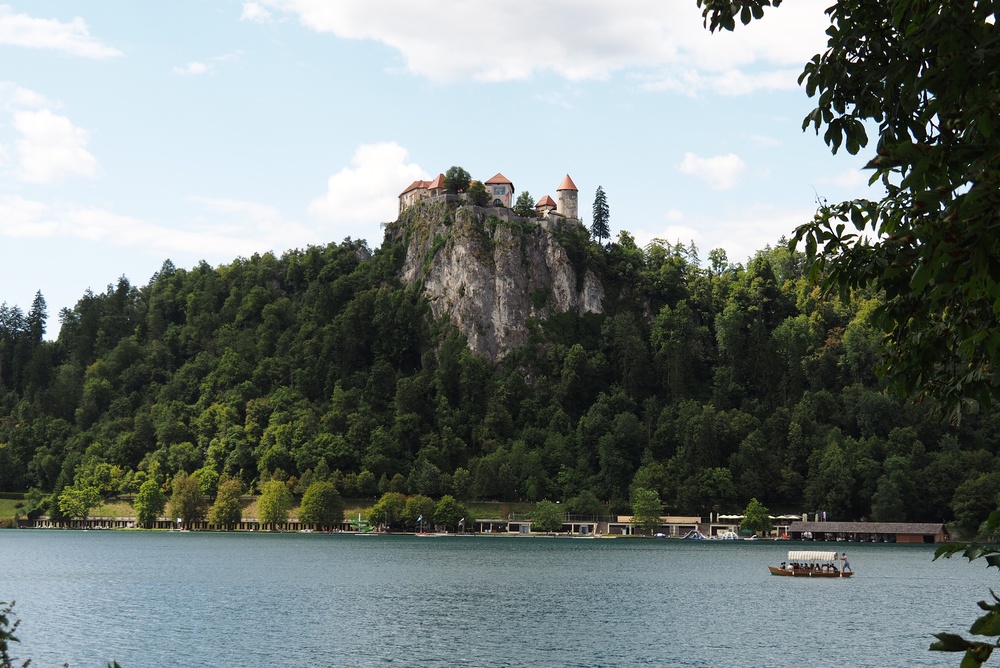
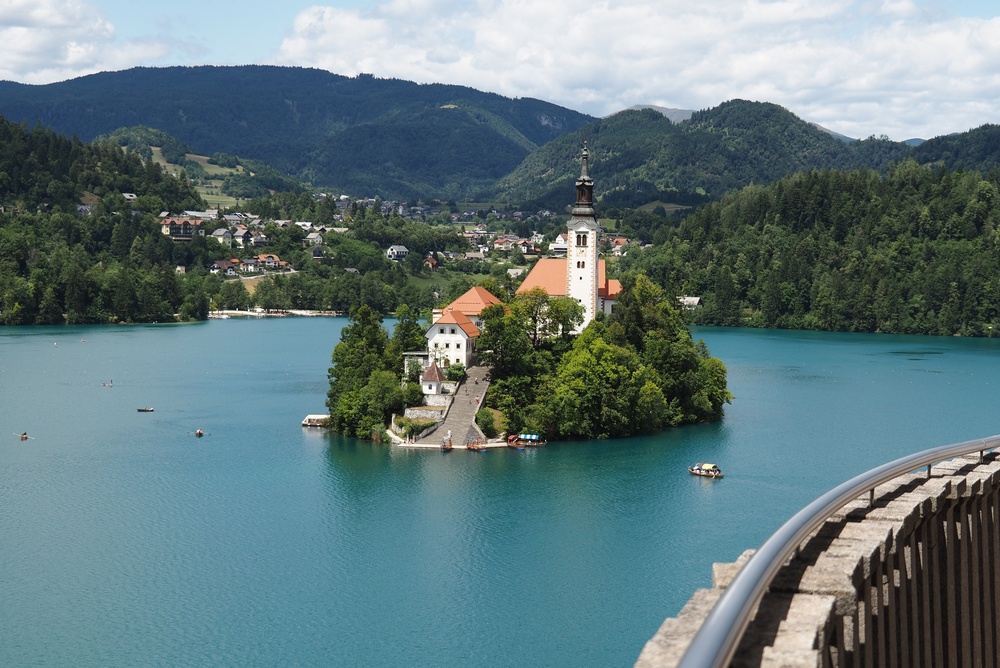
Lakeside Bled in Slovenia made the cut, though it’s hardly a secret anymore with its island church and clifftop castle. But Argentina’s Carlos Pellegrini remains under the radar, offering access to the vast Iberá Wetlands where you can spot capybaras, caimans, and marsh deer without another tourist in sight. The UAE’s Masfout brings mountain escapes and traditional Emirati culture just an hour from Dubai’s glittering skyscrapers.
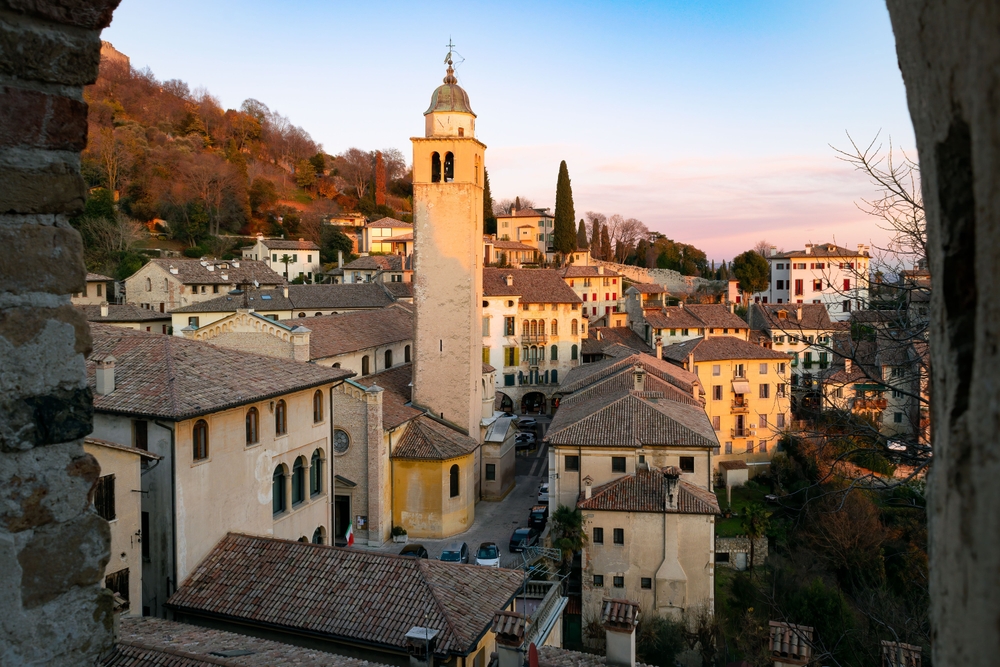
Italy landed four villages on the list, including Arquà Petrarca and Asolo—medieval hilltop towns where cobblestone lanes wind past Renaissance villas, and the biggest decision you’ll make is which terrace to choose for your Aperol spritz. Portugal claimed three spots with mountainous Loriga, historic Mértola (where Roman ruins meet Islamic architecture), and the wine country’s Vila Nogueira de Azeitão.
Spain’s selections range from the Canary Islands’ coastal charm in Agaete to La Rioja’s wine country in Ezcaray, where Michelin-starred dining meets centuries-old cellars. Germany contributed the timber-framed perfection of Flößerstadt Schiltach and the Alpine wellness haven of Bad Hindelang.
The Asian picks get particularly interesting. Vietnam’s Lô Lô Châi village preserves ethnic minority traditions in the northern mountains, while South Korea’s Muju Village showcases rural Korean life, including traditional hanok houses. Indonesia’s Pemuteran on Bali’s quiet northwest coast offers world-class diving with none of the chaos of the southern beaches.

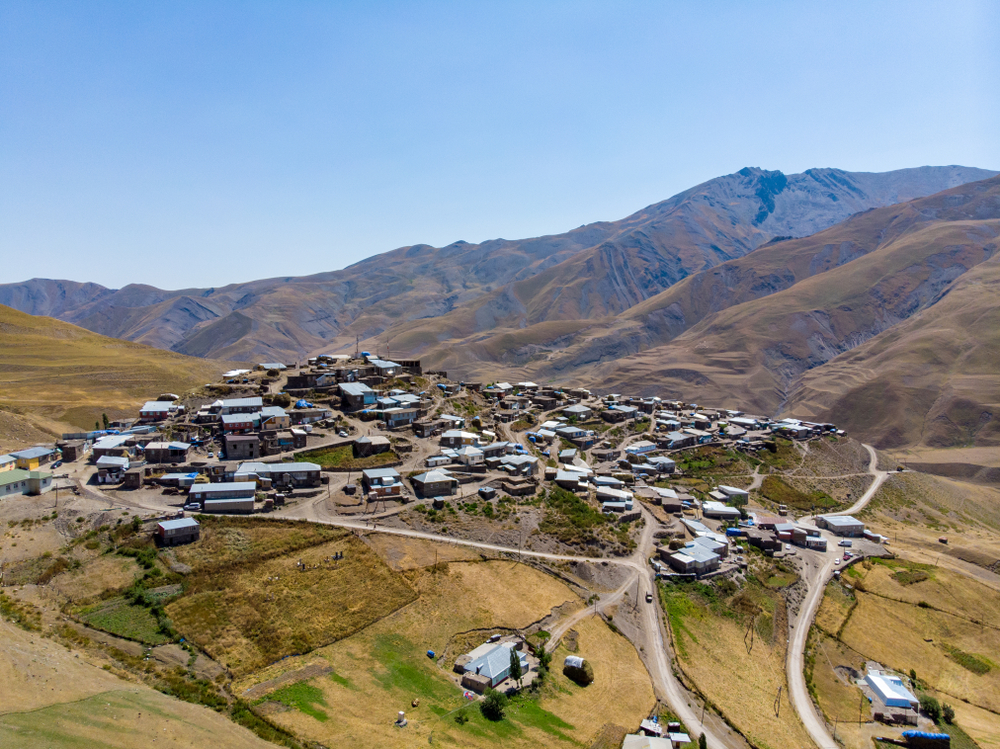
Azerbaijan’s Khinalig, one of the highest continuously inhabited mountain villages on earth, attracts the truly adventurous—think stone houses clinging to cliffsides and a language spoken nowhere else. Iran contributed three villages, including Kandelous, Shafiabad, and Soheili, offering travelers a chance to discover Persian culture beyond the headlines.
These aren’t random picks. Each village was evaluated across nine criteria, covering cultural heritage preservation, environmental sustainability, and infrastructure. But the real question for travelers is simpler: will this place feel authentic, or will it seem to be performing authenticity for visitors? The UN program, now in its fifth year, specifically seeks communities that balance tourism with authentic local life. These villages need tourism revenue, but they’re unwilling to sacrifice what makes them special to secure it. That’s the sweet spot every traveler hopes to find—destinations that welcome visitors without becoming tourist traps. The goal is to avoid the mistakes that turned Venice into a cruise ship parking lot or Barcelona into a battle zone between locals and Airbnb guests.
What does this mean for your next trip? These villages offer alternatives to the overtourism plaguing major cities. Want thermal springs without Icelandic crowds? Try Hungary’s Mórahalom. Renaissance art without Florence’s lines? Croatia’s Kaštelir Labinci delivers. Biodiversity without Costa Rican prices? Ecuador’s cloud forest village of Pacto waits in the mountains.
The list proves exceptional travel experiences exist far beyond the guidebook staples. Sometimes the best discoveries happen in places that didn’t make anyone’s top 10 list—at least not yet.
Learn more: UN Tourism Best Tourism Villages Initiative