

The woman across the farmhouse table in the Val d’Orcia had flour to her elbows and no patience for my ravioli. “Too thick,” she said, pinching the dough between two fingers like she was checking a fever, then rolling it back into the machine without further comment. It was day two of a five-day cooking course outside Montalcino, and I had, by that point, produced roughly forty ravioli that would have been more accurately described as dumplings. Around the table, six strangers from three continents were failing at pasta with the same cheerful incompetence, and none of us seemed to mind. We had not come to Tuscany to see it. We had come to leave with hands that knew what to do.
That distinction is the whole appeal of what the travel industry, with its usual gift for turning a good idea into a worse-sounding portmanteau, has started calling the “skillcation” which is a trip built around walking away with something you did not have when you arrived. Not a photo. Not a stamp in a passport. An actual, transferable competence: a hand that can shape pici without a mold, a mind that can name a mayfly, lungs that know how to clear a regulator forty feet underwater without panicking. The destination still matters. But it has become the classroom rather than the point.
Cooking Schools
Italy figured the concept out early, mostly because Italian grandmothers have never accepted the idea that cooking is something you learn from a screen. The current crop of programs, three-day farmhouse retreats running around $1,400, week-long immersions closer to $2,500, tend to follow the same rhythm: market in the morning, kitchen through the afternoon, a long table at night where you eat what you ruined and, gradually, what you didn’t. The curriculum moves regionally. In Tuscany that means pici rolled by hand against a board because a machine would betray the shape, ribollita built from bread that’s supposed to be a day old, and at least one truffle hunt where a dog with more expertise than the entire group does the actual work while everyone else holds a flashlight. By the third day, the instructor stops correcting your knife grip and starts correcting your instincts instead, which is a different and more useful kind of criticism, and considerably harder to argue with.

Those with a desire to learn the skills of a chef are by no means limited to Italy. Practically every venue provides opportunities for cooking classes, from Chile to Germany to Thailand. Pick your destination and choice of cuisine, talk to your travel advisor, and get cooking!
PADI Certification, More or Less Anywhere With a Reef
Scuba is the skillcation with the most bureaucracy attached, which is appropriate given that the stakes include your ability to breathe. PADI’s Open Water course splits cleanly into two halves: knowledge development, done ahead of time through eLearning modules for around $230, and in-water training, arranged with a dive shop wherever you happen to be diving, which is where the real cost and the real variation live. Budget three to five days. The certification is performance-based rather than calendar-based, which sounds generous until you’re the one person in a group of four still fumbling a mask-clear on day three while everyone else has moved on to navigation drills.
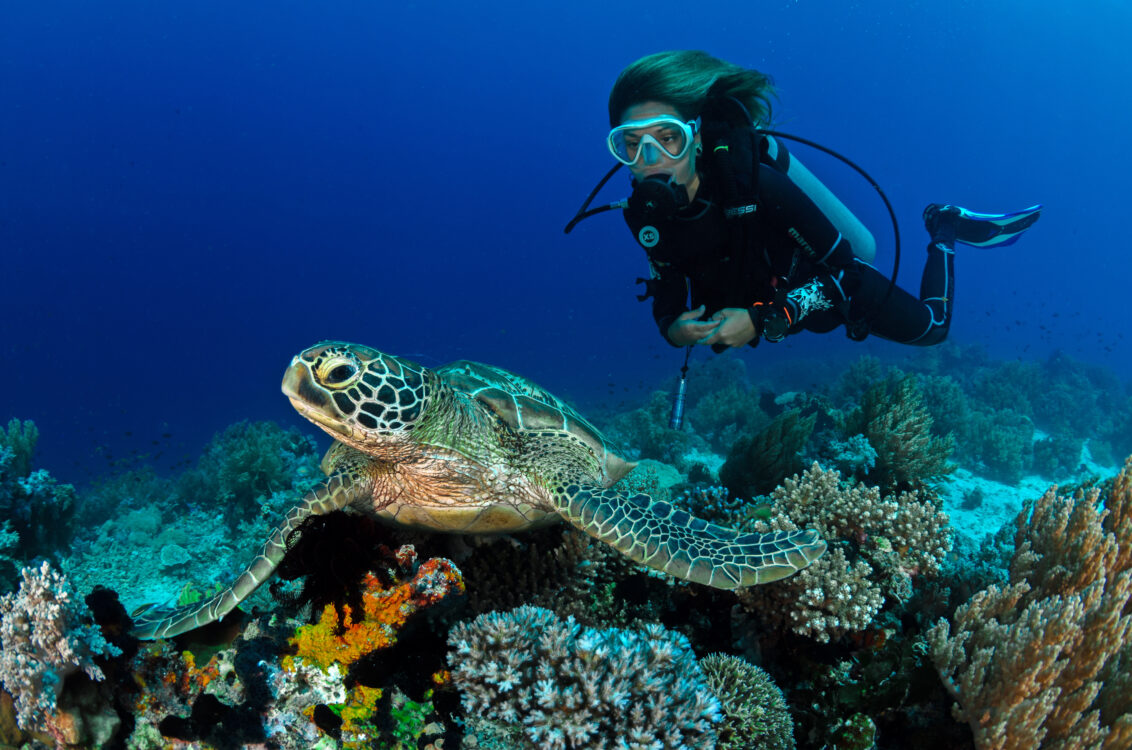
The minimum age is ten, with a Junior Open Water card that upgrades automatically at fifteen, so it is entirely possible to be certified by a person who cannot yet legally hold a driver’s permit — a fact that has humbled more than one forty-year-old on a boat in Cozumel. What nobody tells you beforehand is that the hardest part isn’t the equipment or the physics. It’s unlearning the instinct to hold your breath, which every human being has practiced since birth and which scuba requires you to abandon entirely, on purpose, underwater.
Fly Fishing School
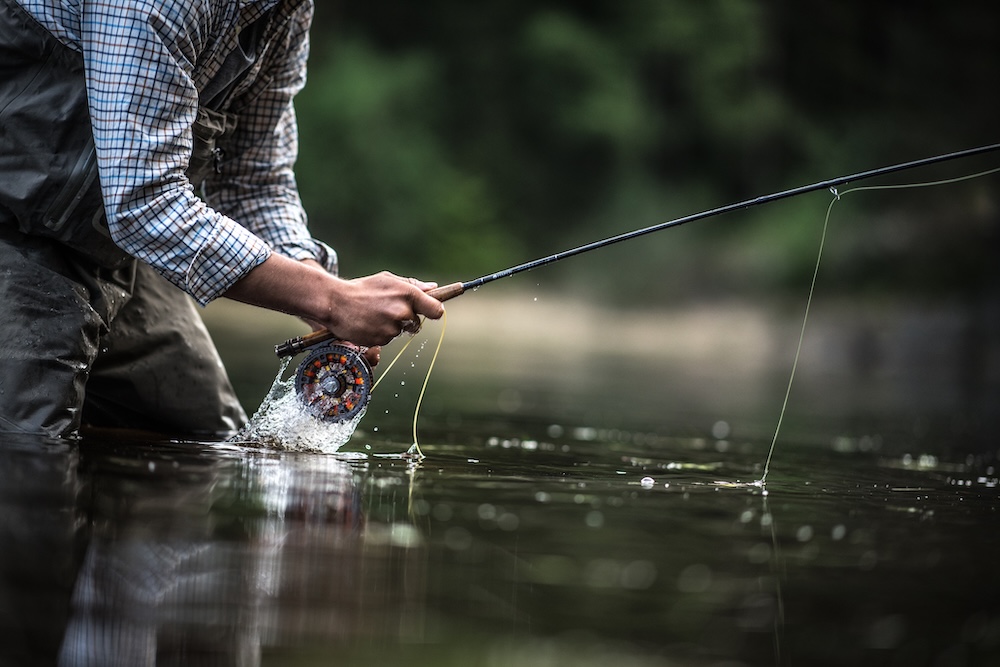
Outfitters run one- and two-day courses built on the premise that you can be casting effectively within minutes of the boat ramp, and the claim mostly holds. The instruction covers the mechanics of casting, line handling, and how to fight and land a fish without horsing it, but the real education happens in the reading. A guide will stop the drift boat, point at a riffle that looks, to the untrained eye, like every other stretch of moving water, and explain why trout are stacked exactly there and nowhere else, something about current seams and oxygen and where a bug gets swept off a rock. It is the closest thing to learning a language mid-conversation. You leave able to cast. You leave, more importantly, able to look at a river and see the argument it’s having with itself.
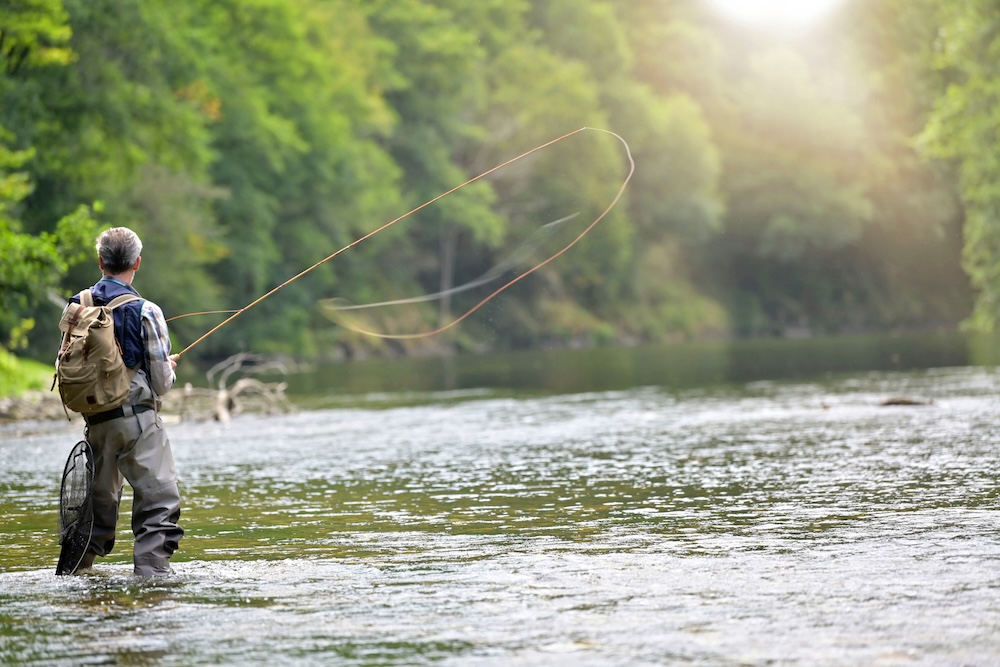
Schools abound in Virginia, Montana, the Smoky Mountains, Florida, New York, and practically any place with water and fish. Equipment and clothing manufacturer Orvin runs schools across the country.
Rock Climbing
Rock does not teach gently. The sport is famously rough, good for grip, hard on knuckles, and the multi-day courses typically teach on it directly rather than on a gym wall first, on the theory that rock behaves like rock and nothing else does. A typical beginner course spends the first day on knots, belay technique, and top-roping short, forgiving faces, then spends the second and third easing students toward leading their own routes, with an instructor talking them through the particular psychological trick of trusting a piece of gear you placed yourself.
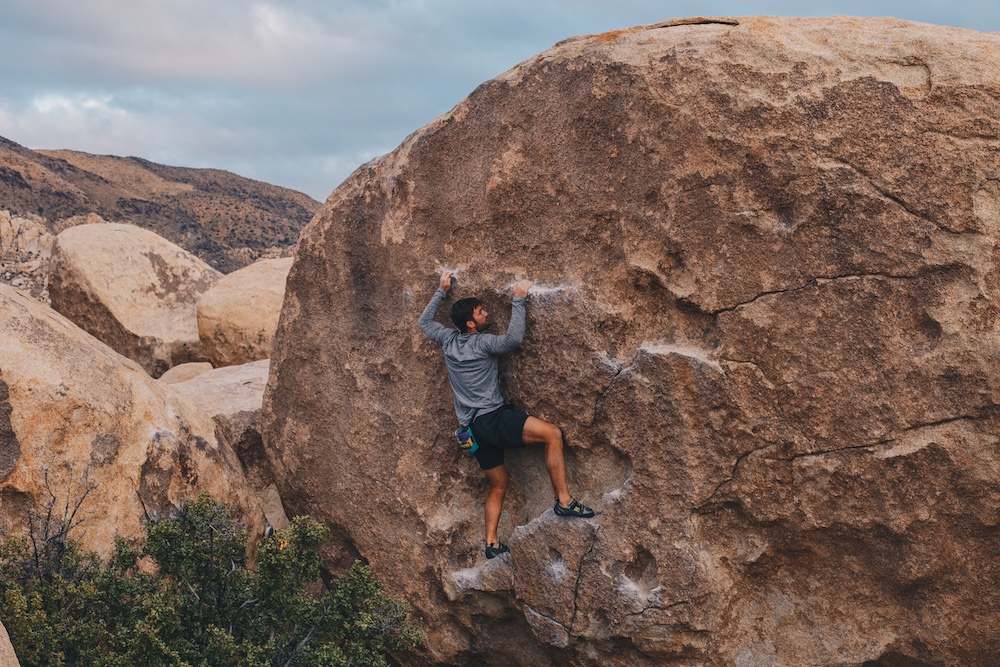
The lesson that sticks isn’t the knots, though you’ll use those forever. It’s the recalibration of what your body will actually do when it’s asked, which turns out to be considerably more than most people assume walking in.
And a Few Others Worth the Detour
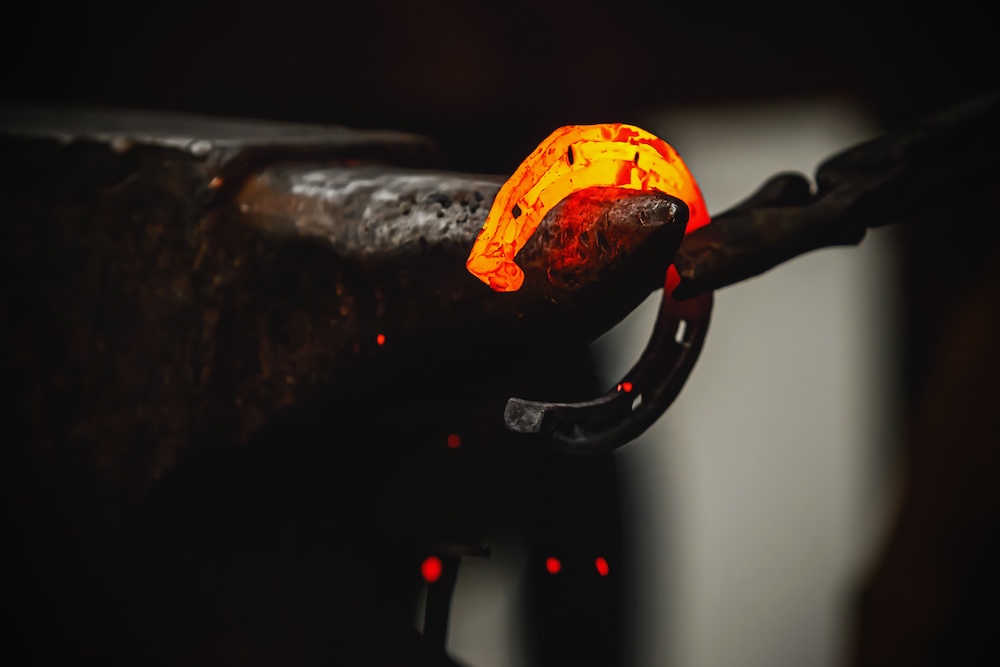
Vermont runs blacksmithing weekends where you leave with a hand-forged knife and a new relationship to fire. Andalusia has flamenco intensives where the footwork takes longer to arrive than anyone expects.
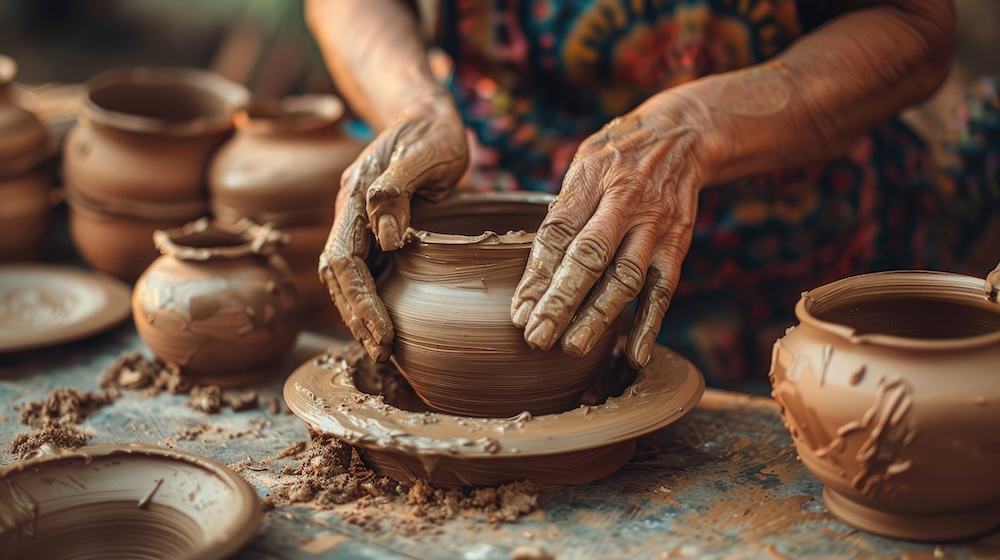
Japan’s Mashiko region still teaches pottery the way it’s been taught for four centuries, wheel-first, glaze theory later. None of these promise mastery in a week, and the honest ones say so upfront.
What they share with the ravioli table in Montalcino is the same quiet transaction: you arrive not knowing, you’re mildly bad at something in front of strangers for a few days, and you leave with a skill that has nothing to do with where you got it and everything to do with the fact that you now have it. I still make pici on Sunday nights, badly, in a kitchen four thousand miles from the one where I learned. The woman with flour on her elbows would probably still say it’s too thick. She’d be right. I keep rolling it anyway.